Removing Stubborn Mould from Shaded Glenelg Patio Pavers
Glenelg is known for its beachside lifestyle, Mediterranean-style climate and outdoor living. Patios here get plenty of use, but shaded pavers behind fences, under pergolas or beside two-storey homes can quickly turn green, black or slimy. If you have noticed dark patches, slippery surfaces or a musty smell outdoors, mould and algae are almost certainly to blame. This guide explains why it happens in Glenelg and how to remove it safely and effectively.
Why Mould Thrives on Shaded Glenelg Pavers
Adelaide's coastal suburbs have mild, wet winters and humid mornings, and shaded areas stay damp for long periods. Pavers are porous, particularly concrete, limestone and sandstone, so they absorb moisture and hold it in. Add organic debris such as leaves, pollen, bird droppings and wind-blown dust, and you have an ideal food source for mould, algae and lichen.
Several local factors make the problem worse:
- Limited sunlight: Southern and eastern courtyards, narrow side passages and areas under large eaves rarely dry out fully in winter.
- Sea air and salt: Salt-laden moisture settles on surfaces and can leave them damp, while also aggravating efflorescence (white salt deposits) on some pavers.
- Poor drainage: Pavers laid with little fall, or with sand joints that have settled, allow water to pool.
- Nearby planting: Dense gardens limit airflow and drop organic matter onto the surface.
Know What You Are Dealing With
Not every dark stain is the same, and identifying it helps you choose the right treatment.
Mould and Mildew
Typically black, grey or dark green spots that appear in clusters. These often sit in paver joints and low-lying damp areas.
Algae
Green, slimy films that are very slippery when wet. Algae is the most common cause of slip hazards on shaded patios.
Lichen
Crusty, flaky growths in grey, yellow or orange. Lichen grips the surface tightly and is https://spenceryygi716.alderbrief.com/posts/safe-cleaning-techniques-for-limestone-features-in-coastal-sa harder to remove than algae.
Efflorescence
White, powdery deposits are mineral salts, not mould. They require a different approach, usually dry brushing and a specialised efflorescence cleaner.
Safety and Preparation Before You Start
Before cleaning, sweep the area thoroughly and remove furniture, pots and mats. Wet down nearby plants and lawn to protect them from runoff. Wear rubber gloves, eye protection, long sleeves and closed shoes. If you use any chemical product, work in well-ventilated conditions and never mix products, especially bleach with acidic or ammonia-based cleaners, as this can release toxic gases.
It is also worth testing any cleaner on a small, inconspicuous section first. Natural stone such as limestone, bluestone and travertine can be etched or discoloured by acidic and harsh products.
Step-by-Step Mould Removal Method
- Dry brush the surface. Remove loose dirt, leaves and moss with a stiff broom so the cleaner can reach the mould itself.
- Wet the pavers. Lightly hose the area so the cleaner does not soak in too deeply.
- Apply your chosen treatment. Work in manageable sections and follow the product label for dilution and contact time.
- Let it dwell. Allow 10 to 20 minutes, keeping the surface damp. Do not let the product dry on the pavers.
- Scrub the surface. Use a stiff nylon brush, paying attention to joints and textured areas.
- Rinse thoroughly. Wash away all residue with clean water, directing runoff away from garden beds and stormwater drains where possible.
- Repeat if needed. Heavy, long-established mould may need a second application.
Choosing the Right Cleaning Solution
Oxygen Bleach (Sodium Percarbonate)
A popular choice because it is effective on mould and algae and gentler on surrounding plants than chlorine bleach. It is generally suitable for most concrete and many stone pavers when diluted correctly.
Diluted Sodium Hypochlorite
Household bleach-based products can kill mould effectively on hard concrete pavers, but they can discolour some surfaces and harm plants. Dilute carefully, rinse well and avoid use near lawns and garden beds.
White Vinegar
A mild option for light surface mould. It can help on small areas but is often not strong enough for deeply embedded growth, and acids can damage limestone and other calcareous stone.
Commercial Mould and Algae Removers
Products formulated for outdoor paving are available at Australian hardware stores. Choose one that is suitable for your paver type, and look for options that are biodegradable where possible.
Using a Pressure Washer Carefully
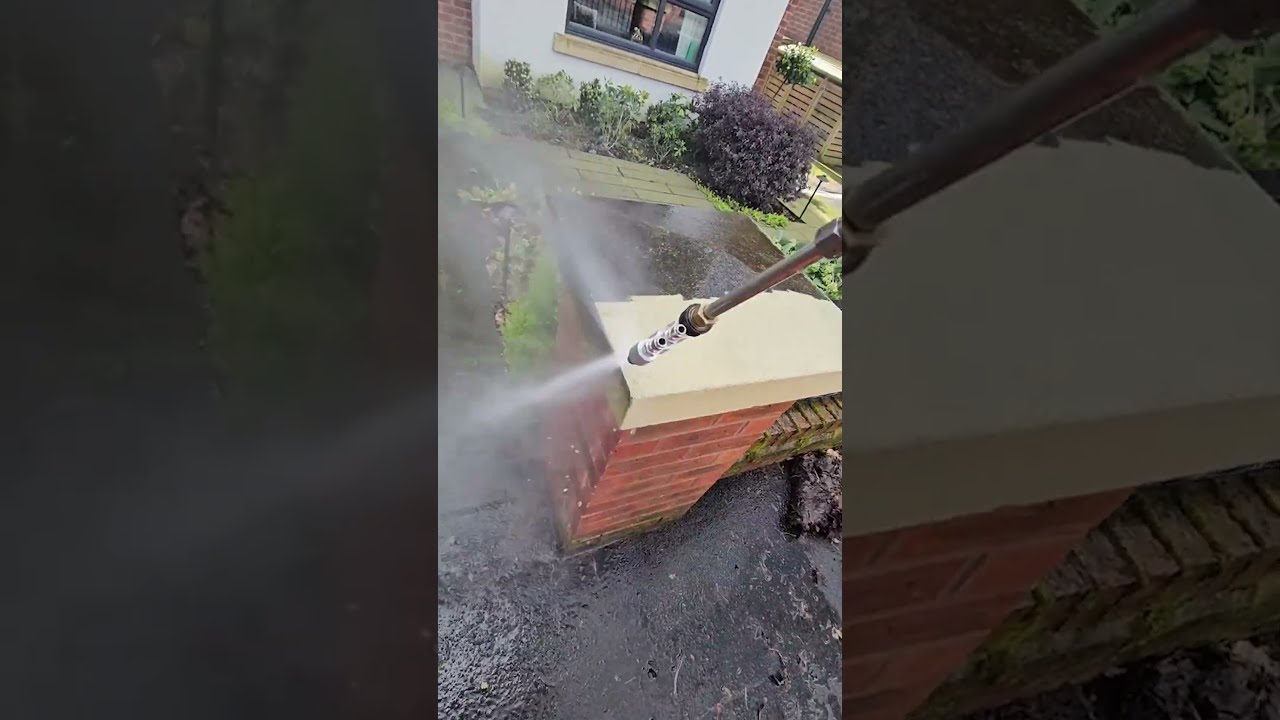
High-pressure cleaning is quick, but it can cause damage if used incorrectly. Excessive pressure can erode the paver surface, strip away jointing sand and leave a patchy, streaked finish. It can also push water deep into the pavers, which may encourage regrowth.
- Use a wide fan tip and keep the nozzle at least 20 to 30 centimetres from the surface.
- Work in consistent, overlapping passes to avoid stripes.
- Use moderate pressure on softer stone and older pavers.
- Replace any lost jointing sand once the surface has dried.
A surface cleaner attachment, which looks like a rotating disc, gives a more even result than a bare wand and reduces the risk of damage.
Dealing with Deeply Embedded or Recurring Mould
If mould returns within weeks of cleaning, the underlying conditions need attention. Check for the following:
Look at drainage first. Water that pools after rain suggests the pavers may need re-levelling or the drainage improved. Next, check for leaking downpipes, irrigation overspray or air conditioner condensation lines draining onto the patio. Also consider whether shrubs or trees could be trimmed to let in more light and airflow. Even an hour or two of extra morning sun can make a noticeable difference.
For large areas, heavily stained natural stone, or pavers that have deteriorated, a professional exterior cleaning service has commercial-grade equipment and knowledge of different paving materials, and may offer a safer result than DIY methods.
Preventing Mould from Coming Back
Maintain a Regular Cleaning Routine
Sweep weekly to remove leaf litter and debris, and wash down shaded pavers every few months, particularly before and after winter.
Apply a Preventative Treatment
Mould-inhibiting treatments applied after cleaning can slow regrowth. Follow the label directions, and confirm that the product suits your paver type.
Seal the Pavers
A quality penetrating sealer reduces moisture absorption and makes future cleaning easier. Wait until the pavers are completely dry before sealing, and choose a breathable product, especially for natural stone. Resealing is generally needed every few years, depending on the product and foot traffic.
Improve Airflow and Light
Prune overhanging branches, thin dense planting and keep furniture and large pots from sitting directly on the paving for extended periods, as these trap moisture underneath.
Keep Joints in Good Condition
Fill joints with appropriate jointing sand or a polymeric product. Well-maintained joints resist weeds and hold less moisture, so mould has less to grip onto.
Environmental Considerations in Glenelg
Glenelg sits close to the coast, and stormwater generally flows towards the sea. Strong chemicals should not be allowed to wash into drains. Wherever possible, choose gentler products, use only the amount needed, and direct wastewater onto lawn or garden areas that can tolerate it, or collect it for proper disposal. Check current guidance from the City of Holdfast Bay and the South Australian EPA if you are unsure about wastewater disposal.
When to Call a Professional
Consider professional help if the mould covers a large area, if you have delicate or expensive stone, if surfaces are dangerously slippery, or if you have health concerns such as asthma or allergies that could be aggravated by mould spores. A professional can also advise on sealing and long-term maintenance suited to your particular paving and site conditions.
Final Thoughts
Shaded patio pavers in Glenelg are prone to mould thanks to a combination of coastal humidity, limited sunlight and organic debris. With the right cleaning method, appropriate products and a bit of preventative care, you can restore your pavers and keep them looking good. Start by identifying what is growing, clean with a method suited to your paver type, and then address the moisture and shade issues that caused the problem. A consistent routine through 2026 and into 2027 and beyond will keep your outdoor space safer, cleaner and more enjoyable year-round.
Glenelg Pressure Cleaning
Unit 3/2-4 Byre Ave, Somerton Park SA 5044
(08) 7282 0893